
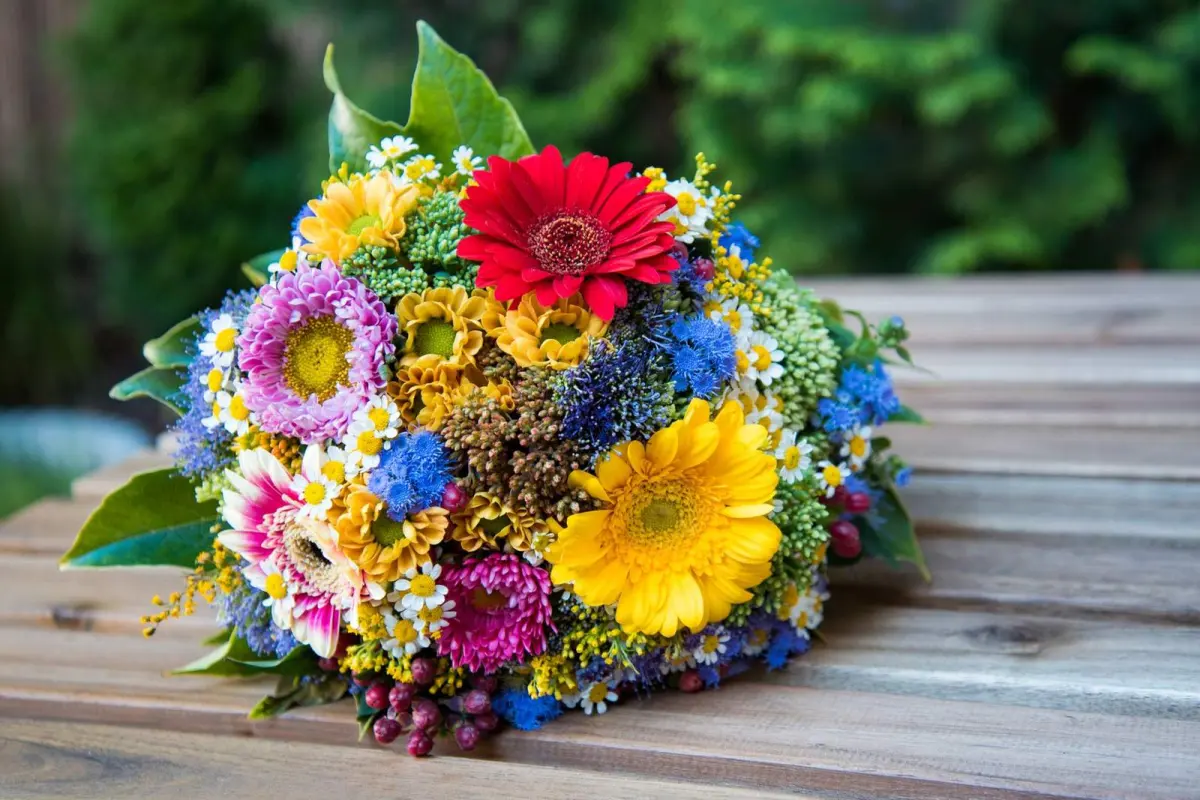
Wondering which types of cut flowers to buy for your home or event? Canadian stems are either greenhouse-grown or field-grown, and each suits different seasons and budgets. Here is how to choose, care for and use them.
| Item | Value |
|---|---|
| Cut flower sales in Canada (2025) | $252.7 million |
| Greenhouse cut flowers produced (2024) | 417.99 million flowers |
| Cut flowers’ share of greenhouse flowers and plants produced (2024) | 38.1% |
| Field-grown cut flower farms (2024) | 214 farms |
| Field-grown cut flower area (2024) | 460 hectares |
| Floriculture sales, all flowers and plants (2024) | $2.24 billion |
These figures come from Statistics Canada’s April 2026 release and Agriculture and Agri-Food Canada’s 2024 ornamental industry overview. Figures can change with each release, so check the source before you rely on them.
Greenhouse-grown and field-grown: the main types of cut flowers
Government statisticians file cut flowers under floriculture. Agriculture and Agri-Food Canada describes it as primarily producing flowering and non-flowering potted plants, cut flowers and bedding plants (AAFC, 2024 overview).
Within that group, cut flowers come from greenhouses and from outdoor fields. In 2024, greenhouse cut flowers were valued at $230.5 million and field-grown cut flowers at $32.4 million, according to Statistics Canada’s 2024 release.
Florists also sort stems by the job they do in a vase. This is a handy second way to think about types:
- Focal flowers: large, eye-catching blooms that anchor a design.
- Filler flowers: smaller blooms or sprays that fill gaps and soften edges.
- Line flowers: tall spikes or branches that give height and direction.
- Foliage: greenery that frames the flowers and adds texture.
If you want the species-level picture, the AAFC report lists a table called “Production of cut flowers by variety”. Check that table rather than relying on a rule of thumb about what is popular.
What the numbers say about Canadian cut flowers
As of Statistics Canada’s April 2026 release, cut flower sales rose 9.8% year over year to $252.7 million in 2025. The same release put sales at greenhouse, nursery, field-grown cut flower and sod operations at $6.5 billion, up 7.5% (Statistics Canada, April 2026).
Cut flowers are a smaller business than potted plants. In 2025, potted plant sales increased 8.9% to $1.5 billion, according to the same release.
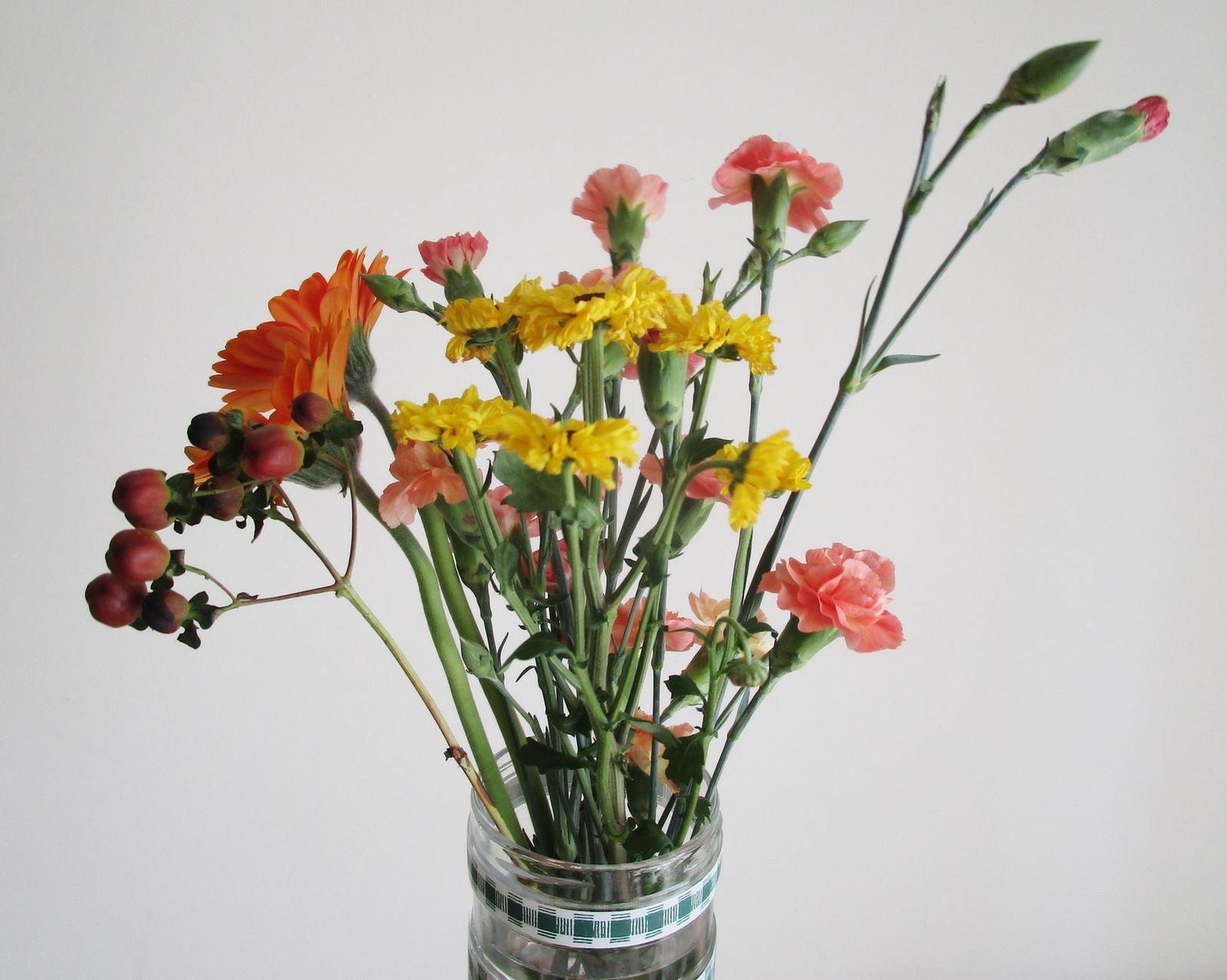
Production tells a similar story. Greenhouse cut flower output grew from 271.84 million in 2020 to 417.99 million in 2024, and cut flowers made up 38.1% of all greenhouse flowers and plants produced in 2024 (AAFC, 2024 overview).
Field-grown production is much smaller. The same AAFC report counts 214 field-grown cut flower farms in 2024, working 460 hectares.
Ontario leads where greenhouse flowers and plants are concerned. It accounted for half of sales and resales value (50.7%) in 2024, followed by British Columbia (25.8%) and Quebec (12.4%), per Statistics Canada. AAFC notes that its comparisons use nominal dollars, not figures adjusted for inflation.
How do you choose cut flowers for the occasion?
Start with the purpose, then work backwards to the stems. A simple order of decisions helps:
- Decide what the flowers are for: a gift, a table, a wedding, a funeral or everyday colour.
- Think about the roles you need: one or two focal flowers, some filler, a line flower and foliage.
- Ask the seller whether the stems were greenhouse-grown or field-grown, and when they arrived.
- Look at the stems and the water in the bucket before you buy.
- Plan how soon you can get them into water at home.
Different occasions come with their own guidance, and several are covered in separate guides:
- For weddings, see the guide to the best flowers for wedding bouquets.
- Funerals have their own customs, so read up on sympathy flowers etiquette before you order.
- If you share your home with a pet, check the list of flowers safe for cats before the bouquet comes through the door.
- When you want your stems to carry a message, the guide to flower meanings and symbolism is a good place to start.

Greenhouse-grown stems are what most shoppers see in shops through the year, since greenhouses make up most of the sector’s sales. Field-grown stems reflect what is growing outdoors near you. Ask a local grower or florist what is in season rather than assuming.
Care basics that apply to every type
Good care matters more than the type you pick. The routine is much the same for greenhouse and field stems:
- Start with a clean vase and fresh water.
- Re-cut the stem ends with a sharp, clean tool.
- Strip any leaves that would sit below the water line.
- Keep the vase away from direct heat.
- Change the water and re-trim the stems as they age.
For a fuller routine, read about how to condition cut flowers as soon as they arrive. Ongoing habits are covered in the guide on how to keep cut flowers fresh longer.
Once your stems are conditioned, you can arrange them. A beginner-friendly walk-through shows how to make a flower arrangement, and another explains how to make a hand tied bouquet if you prefer a gift-style bunch.
Why growers’ costs matter to florists and shoppers
Growing flowers under glass takes energy and materials. In 2025, Canada’s total greenhouse operating expenses increased 4.3% to $4.2 billion, according to Statistics Canada’s April 2026 release.
Two lines stood out in that release:
- Electricity: costs rose 21.2% to $181.9 million.
- Plant material: costs rose 16.3% to $759.5 million.
The release does not trace these costs to shelf prices, so treat any link as a question to put to your florist rather than a fact. Costs and supply are also what shop owners weigh up daily, and the wider picture is covered in the guide to the flower industry in Canada.
If you are wondering what it takes to run a retail business around these stems, the guide on how to start a flower shop covers that side.
Frequently asked questions
What are the main types of cut flowers?
Show answer
By origin, Canadian cut flowers are greenhouse-grown or field-grown. By role in a design, they are focal flowers, filler flowers, line flowers and foliage.
How much are cut flowers worth in Canada?
Show answer
As of Statistics Canada’s April 2026 release, cut flower sales were $252.7 million in 2025, up 9.8% from the year before (Statistics Canada).
Where are most Canadian greenhouse flowers and plants sold from?
Show answer
Ontario accounted for 50.7% of greenhouse flower and plant sales and resales value in 2024, ahead of British Columbia and Quebec (Statistics Canada).
Is greenhouse cut flower production growing?
Show answer
AAFC’s 2024 overview shows output rising from 271.84 million in 2020 to 417.99 million in 2024 (AAFC).