Not sure what to send, or whether to send anything? Good sympathy flowers etiquette is simple: follow the family’s wishes, choose soft white or muted blooms, often send them to the home, and add a short, sincere note.
For a wider look at what is available, browse the types of cut flowers before you decide.
| Item | Guidance |
|---|---|
| Notice says “in lieu of flowers” | Take it at face value |
| Safest colour | White (the most common colour) |
| Where to send | Often the family’s home rather than the funeral |
| When to send | As soon as you hear of the death; a couple of weeks later is also fine |
| Card message | A short message of condolence |
| Longer-lasting option | A plant such as a peace lily or an orchid |
These points come from a grief-support etiquette guide and a funeral etiquette guide. Customs and advice can change, so check the source before you rely on them.
Start with the family’s wishes
Before you choose a single stem, read the obituary or service notice. If it asks for “no flowers” or “in lieu of flowers”, a funeral etiquette guide advises you to take it at face value.
Families often make that request to reduce logistics, reduce cost pressure on others, or keep the focus on a cause that mattered deeply to the person who died, according to the same guide. Honouring the request is the kindest gesture you can make.
If the notice says nothing, a quick call to the funeral home can save you from missteps. Funeral directors can tell you whether flowers are being accepted, where they should be delivered, and what time they need to arrive, as that guide explains.
Where to send sympathy flowers
Your two main options are the service location or the family’s home. Sending flowers to the funeral home is common when there will be a visitation, wake, or service where flowers are displayed publicly, and the family’s home is often better when the service is private, when there is no visitation, or when you learned about the death after the funeral, per the funeral etiquette guide.
A grief-support guide says it is more common these days to send sympathy flowers to the person’s home rather than the funeral. Its reasoning: funeral flowers tend to be chosen by the family, and arrangements sent to a church or crematorium may get missed and will not be taken home afterwards.
The setting also shapes the style of the arrangement:
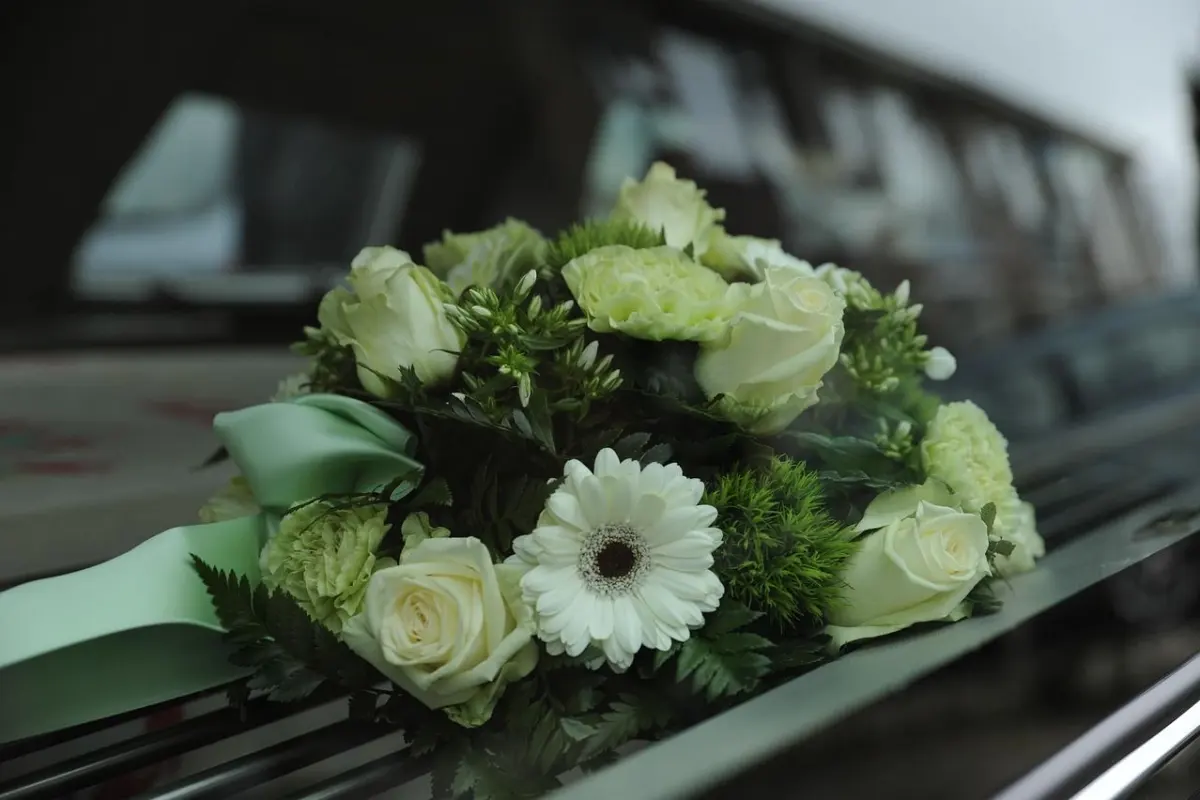
- Funeral service: wreaths, standing sprays and casket sprays, according to a Canadian florist’s guide.
- Family home: vase arrangements, potted plants or subdued mixed bouquets, per the same florist’s guide.
- Hospital: a Vancouver florist’s etiquette guide says hospital flowers are usually softer, lighter and more uplifting.
- Cemetery: the same Vancouver guide says cemetery flowers are often smaller, more practical, and chosen for respectful placement rather than strong visual impact.
One caution: a casket spray is typically chosen by immediate family, unless the family specifically asks for help providing one, says the funeral etiquette guide. If you are sending to a colleague’s office, the grief-support guide suggests you wait a few days until they are back at work if they are on compassionate leave.
Which flowers and colours suit a sympathy gift?
Etiquette is usually more about scale than species, according to the funeral etiquette guide. The closer you were to the person or the family, the more appropriate a larger tribute becomes.
If you are unsure, the same guide says a medium arrangement with calm colours, such as whites, creams, soft greens and gentle pastels, is rarely out of place.
Colour is where most people worry. The grief-support guide calls white the most common colour for sympathy flowers and says sympathy colours tend to be pale and muted, because bright colours would normally be too cheerful for the occasion. A Canadian florist’s guide adds that you should keep colours neutral or soft unless you know the family’s preferences.
These flowers are widely used, with meanings drawn from a Toronto florist’s condolence guide:
- White lilies: widely regarded as the most appropriate funeral flowers.
- Carnations: white carnations represent pure love and innocence, and pink carnations carry a meaning of remembrance.
- Hydrangeas: they work particularly well in arrangements sent to a grieving family at home rather than to a formal funeral service.
- Orchids: a potted orchid plant can serve as a living memorial for weeks or even months after the funeral.
- Chrysanthemums: in many European and Asian cultures, they are the flower most closely associated with death and mourning.
Some choices deserve a second thought. The Toronto guide says deep red roses, while romantic in other contexts, are best avoided for sympathy arrangements unless they were a known favourite of the deceased. The grief-support guide notes that red is associated with happiness and good luck in Asian countries, so it should be avoided there, and that yellow can mean friendship and remembrance but can also refer to jealousy.
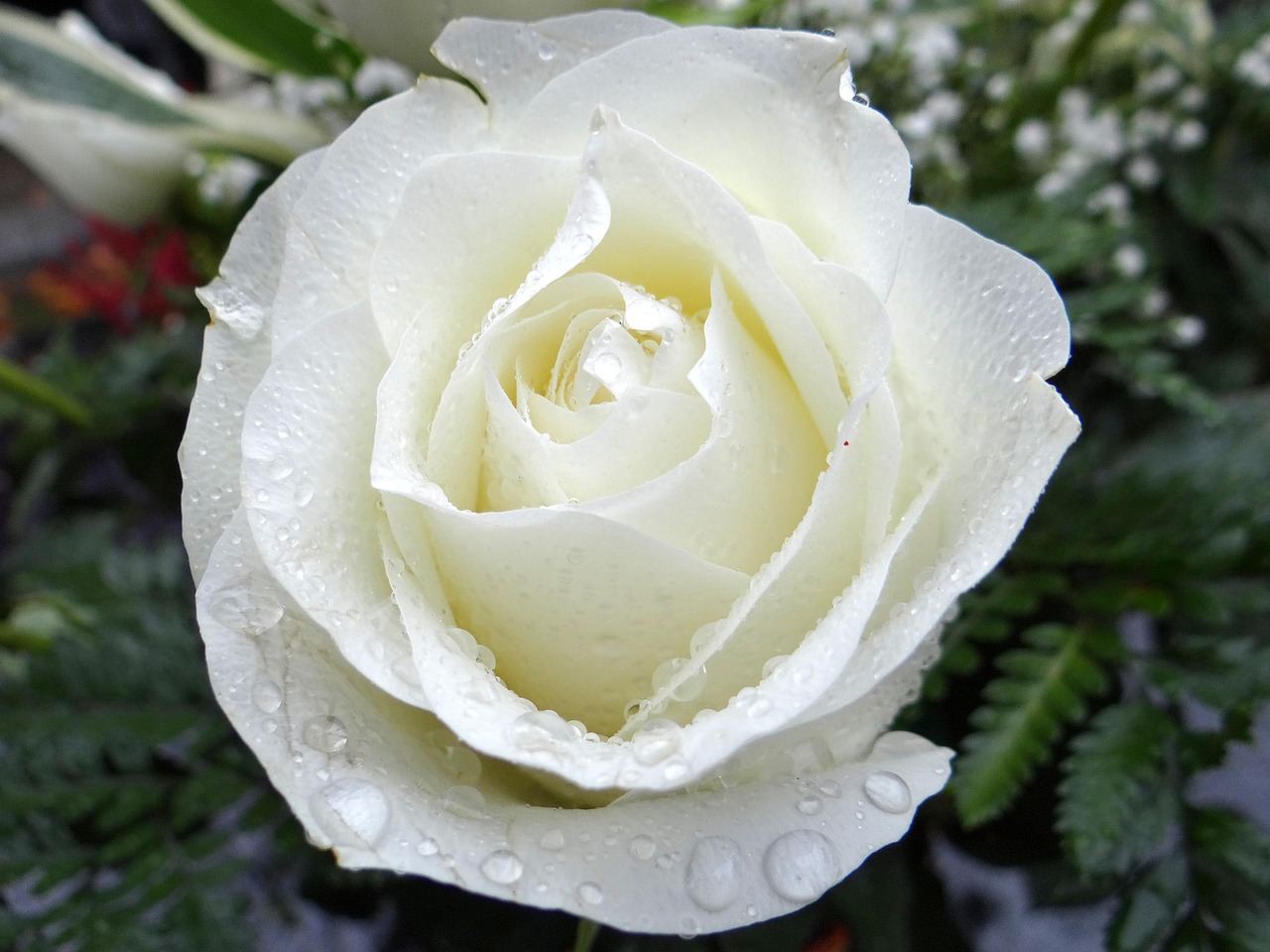
If you are arranging the bouquet yourself, learning how to condition cut flowers helps the stems last longer once they arrive. If the family shares a home with a cat, a look at the flowers safe for cats can help you choose with the household in mind.
When to send them and what to write on the card
The grief-support guide says sympathy flowers are normally sent as soon as you hear of the death. Even if you send them a couple of weeks later, when things have calmed down and the funeral is over, that would be fine and shows you are still thinking of the family.
A short message is enough. The same guide says sympathy flowers only need a short message of condolence, and to put your full name on it so the recipient knows who sent them. A Canadian florist’s guide agrees that a simple note matters.
If you are stuck for words, these lines work well:
- “With deepest sympathy. Thinking of you and your family.”
- “I am so sorry for your loss. [Name] will be remembered with love.”
- “Holding you in my thoughts in the days ahead.”
When flowers are not the right gesture
Flowers are not always the right choice. The grief-support guide says that if you did not know the person very well, or the person is a work colleague, it might be appropriate just to send a card.
The same guide notes that some people request donations to the deceased’s favourite charity instead, or have a cultural or religious reason for not wishing to receive flowers. It gives the example that it is not customary in the Jewish faith to send sympathy flowers, and it adds that some people are simply allergic or do not like cut flowers.
When flowers do not fit, the guide offers other ways to show you care:
- A phone call, an email or a text.
- Practical help such as cooking a meal.
- Helping with transport for the funeral.
It also suggests a plant, such as a peace lily or an orchid, for something that will last much longer than cut stems.
Frequently asked questions
Do I have to send flowers?
Show answer
No. If you barely knew the person, a grief-support guide says a card may be enough, and practical help such as a meal can mean just as much.
Is it too late to send flowers after the funeral?
Show answer
Not at all. The same guide says sending them a couple of weeks later, once things have calmed down, is fine and shows you are still thinking of the family.
Can I send sympathy flowers to a man?
Show answer
Yes. The grief-support guide suggests avoiding particularly feminine colours such as pink or lilac, and notes that a plant such as a peace lily or an orchid might also suit.
Are red roses acceptable?
Show answer
Usually not. A Toronto florist’s guide says deep red roses are best avoided unless they were a known favourite of the deceased, so white or soft-toned roses are the safer choice.
What size arrangement should I choose?
Show answer
Match it to your relationship. The funeral etiquette guide says a medium arrangement in calm colours is rarely out of place when you are unsure.