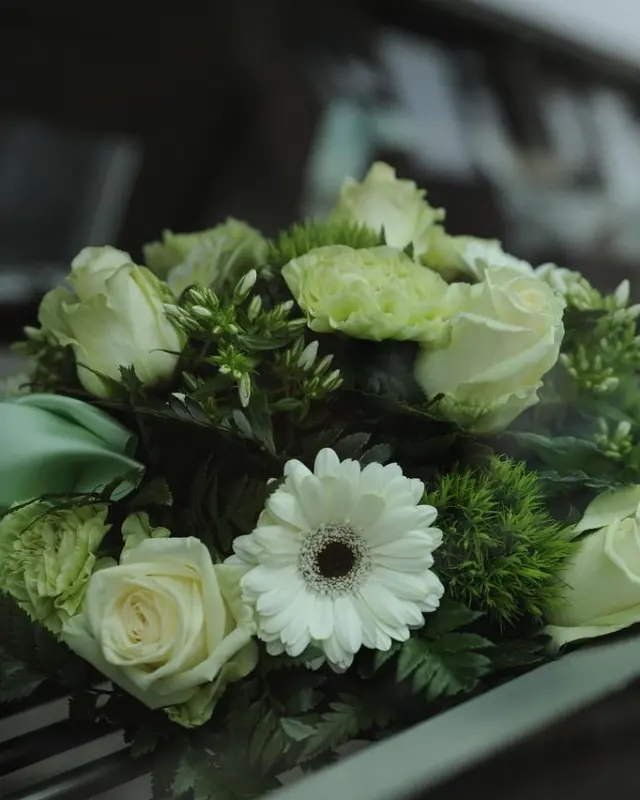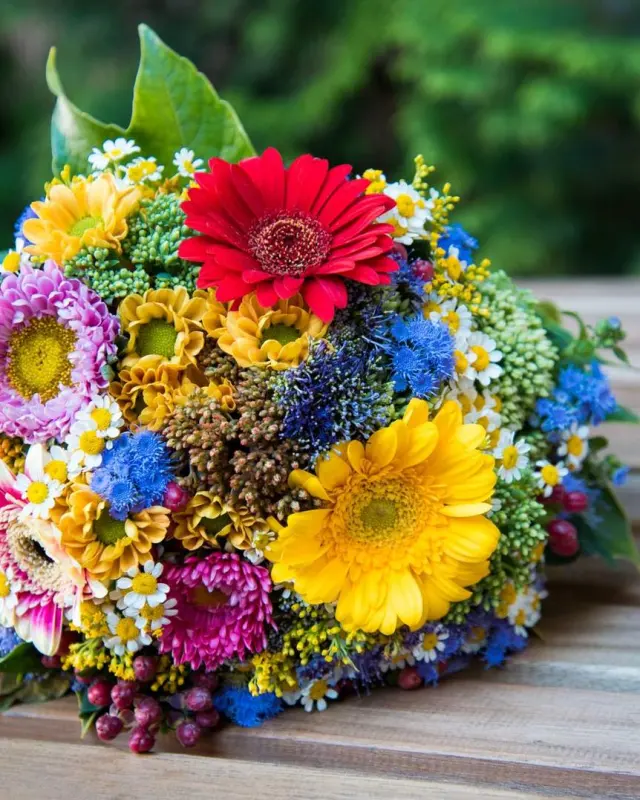
Worried a bouquet could hurt your cat? Flowers safe for cats include roses, sunflowers, snapdragons and orchids, while lilies, tulips and autumn crocus should stay out of your home.
Browse the full guide to types of cut flowers when you want more blooms to compare.
| Item | Key fact |
|---|---|
| Lilies (Lilium and Hemerocallis) | Can be lethal to cats; small pollen exposure can cause kidney failure |
| Tulips | Toxic to cats; large bulbs may cause intestinal obstruction |
| Autumn crocus | Extremely toxic to cats, even in small ingestions |
| Non-toxic examples | Roses, sunflowers, snapdragons, orchids |
| ASPCA Poison Control hotline | (888) 426-4435, 24-hour |
These figures come from the ASPCA’s April 30, 2026 page on toxic and non-toxic flowers. Lists and advice can change, so check the source before you rely on them.
Which flowers are safe for cats?
As of the ASPCA’s April 30, 2026 page, these non-toxic flowers are listed for pets, and they make a sensible starting point for a cat household. You can read that page at the ASPCA’s news site.
- Roses (Rosa)
- Sunflowers (Helianthus)
- Zinnia
- Gerbera daisies
- Snapdragons (Antirrhinum)
- Orchids (Orchidaceae)
- Asters
- Statice (Limonium)
- Freesia
- Wax flower (Chamelaucium)
A veterinary-reviewed guide from Great Pet Care, reviewed in March 2026, also lists lilacs, petunias, camellias and daisies as generally safe. It adds that even non-poisonous flowers can cause some gastric upset.
The ASPCA says the same: any plant can cause mild stomach upset in pets. “Safe” means unlikely to cause serious harm, not “fine to snack on”.
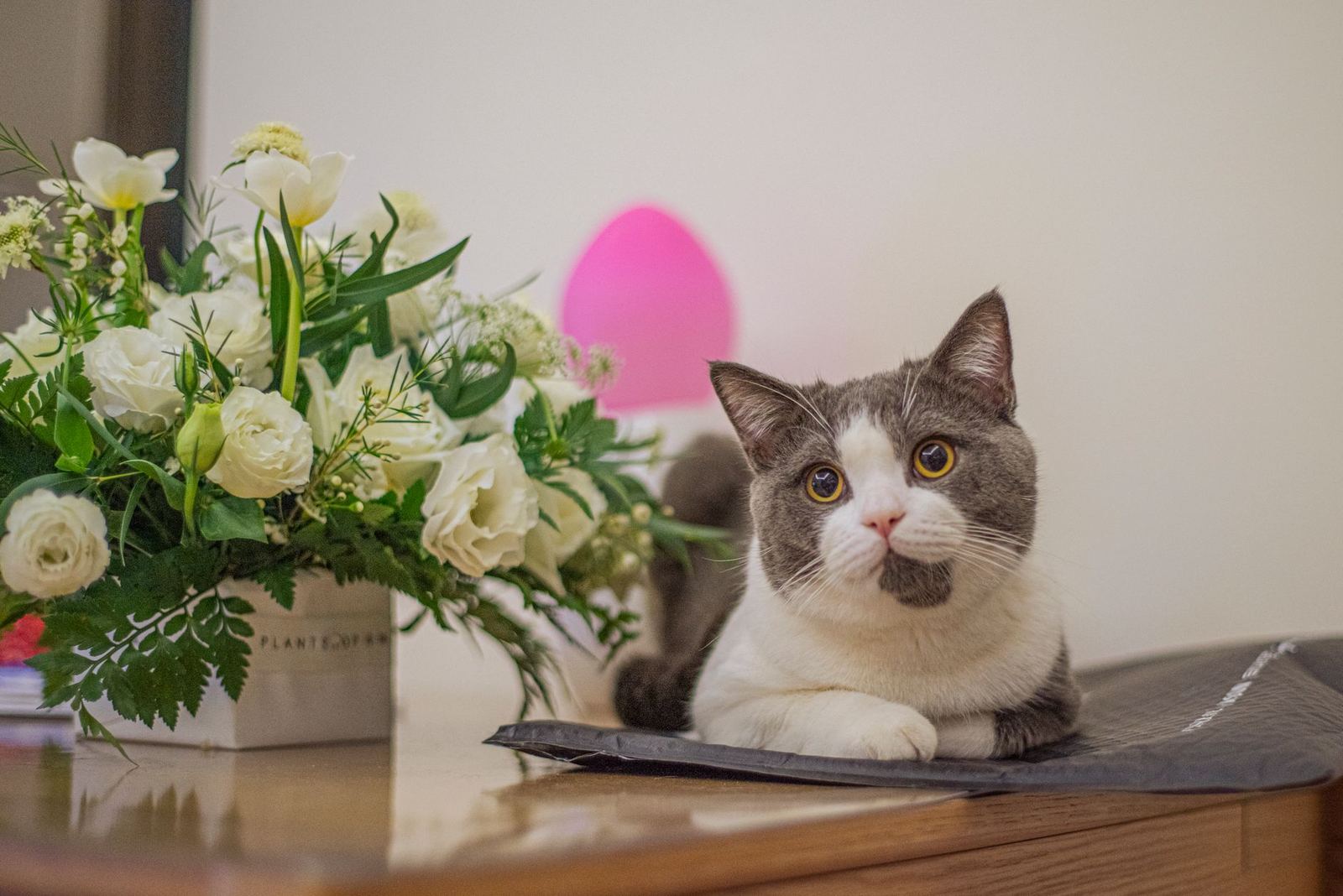
Flowers to keep away from cats
The biggest danger is lilies. The ASPCA says lilies from the Lilium or Hemerocallis species can be lethal to cats, and even small exposures to pollen can cause kidney failure or death.
The ASPCA names these as toxic lilies:
- Easter lily
- Japanese lily
- Oriental lily hybrids
- Stargazer lily
- Casa Blanca lily
- Tiger lily
- Daylilies
The same ASPCA page flags several other serious cases, so treat each of these as a keep-out plant:
- Tulips: toxic to cats, with stomach upset, depression and possible intestinal obstruction if large bulbs are eaten.
- Autumn crocus: extremely toxic even in small ingestions, and often mistaken for other crocuses.
- Oleander: can cause serious heart problems, and symptoms can be delayed.
- Sago palm: all parts are toxic, and the seeds are the most dangerous.
The Great Pet Care list of toxic flowers adds daffodils, hyacinths, kalanchoe, azalea, hydrangeas, lily of the valley and chrysanthemums. It also quotes an emergency vet who says chewing on some plants is enough to cause toxicity, so a swallowed petal is not the only risk.
Lookalikes and tricky names
Common names can mislead, so check the botanical name before you buy or plant. The ASPCA plant list says to check the name of the plant to determine its toxicity.
- Lilac: the common lilac (Syringa vulgaris) is not considered poisonous to cats, but the Persian lilac of the Melia genus is. It can cause more severe gastrointestinal distress, muscle weakness, tremors and seizures, according to Great Pet Care.
- Crocus: the autumn crocus is the dangerous one, and the ASPCA warns it is often mistaken for other crocuses.
- Orchids: most are considered safe, but with more than 25,000 species, Great Pet Care says it is best to check with a professional.
- Roses: experts say roses have not been associated with poisoning in cats. The thorny stem can still cause pain or discomfort.
- Mixed bouquets: the ASPCA advises you to carefully research any bouquets that may have lilies hiding in the assortments.
Why cats get into bouquets
Cats explore with their mouths. Great Pet Care notes that cats have about 14 to 20 times the smell receptors that people do, so a new arrangement is hard for them to ignore.
Some cats go for the taste or the texture of leaves and petals. Lilacs, for example, have a slightly bitter taste that may deter cats, but you should not count on that.
Building a cat-friendlier bouquet
You do not have to give up flowers. A few habits make a big difference when you buy or arrange them.
- Ask the florist to name every stem, and say plainly that no lilies or tulips can be included.
- Build around the safe list above: roses, snapdragons, sunflowers, gerbera daisies and freesia.
- Use statice or wax flower as fillers, since the ASPCA lists both as non-toxic.
- Place the vase where your cat cannot reach it, and sweep up fallen petals and pollen.
- Remove any gifted bouquet that you cannot fully identify.
If you arrange at home, the steps in how to make a flower arrangement work just as well with a cat-safe stem list.
Sending flowers to someone else? If you know a cat lives there, the same advice applies, and sympathy flowers etiquette is a good companion read for choosing a thoughtful gift.
What to do if your cat chews a flower
Symptoms depend on the flower and the amount eaten. Great Pet Care lists these early signs:
- Mouth irritation
- Excessive salivation
- Vomiting
- Diarrhea
Some effects are not obvious straight away. The same guide warns that organ damage can show up days later, when treatment can be far less effective.
If you suspect your cat ate something toxic, contact your veterinarian right away. You can also call the ASPCA’s 24-hour Poison Control hotline at (888) 426-4435, as listed on the ASPCA page, or the Pet Poison Helpline at 855-764-7661, which Great Pet Care also names.
Frequently asked questions
Are roses safe for cats?
Show answer
Yes, roses are on the ASPCA’s non-toxic list as of its April 30, 2026 page, and experts quoted by Great Pet Care expect at most mild vomiting or diarrhea. The thorns are the main problem.
Are lilacs poisonous to cats?
Show answer
The common lilac is not considered poisonous to cats, according to Great Pet Care. The Persian lilac is a different plant and is toxic, so confirm which one you have.
How dangerous are lilies for cats?
Show answer
Very. The ASPCA says lilies can be lethal to cats, and even small pollen exposure can cause kidney failure. Keep them out of your home and check mixed bouquets.
Are tulips toxic to cats?
Show answer
Yes. The ASPCA lists tulips and tulip bulbs as toxic to cats, and the bulbs are the most concentrated source, per Great Pet Care. Expect vomiting, drooling, diarrhea and depression if a cat eats them.
Who can I call if my cat ate a flower?
Show answer
Call your veterinarian first. The ASPCA lists its 24-hour Poison Control hotline as (888) 426-4435, and the lists in this guide are not all-inclusive.