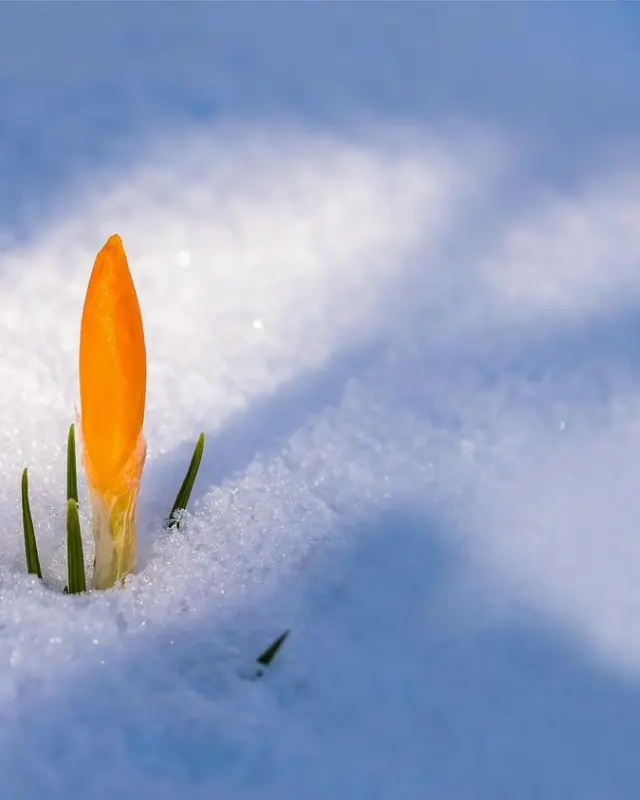
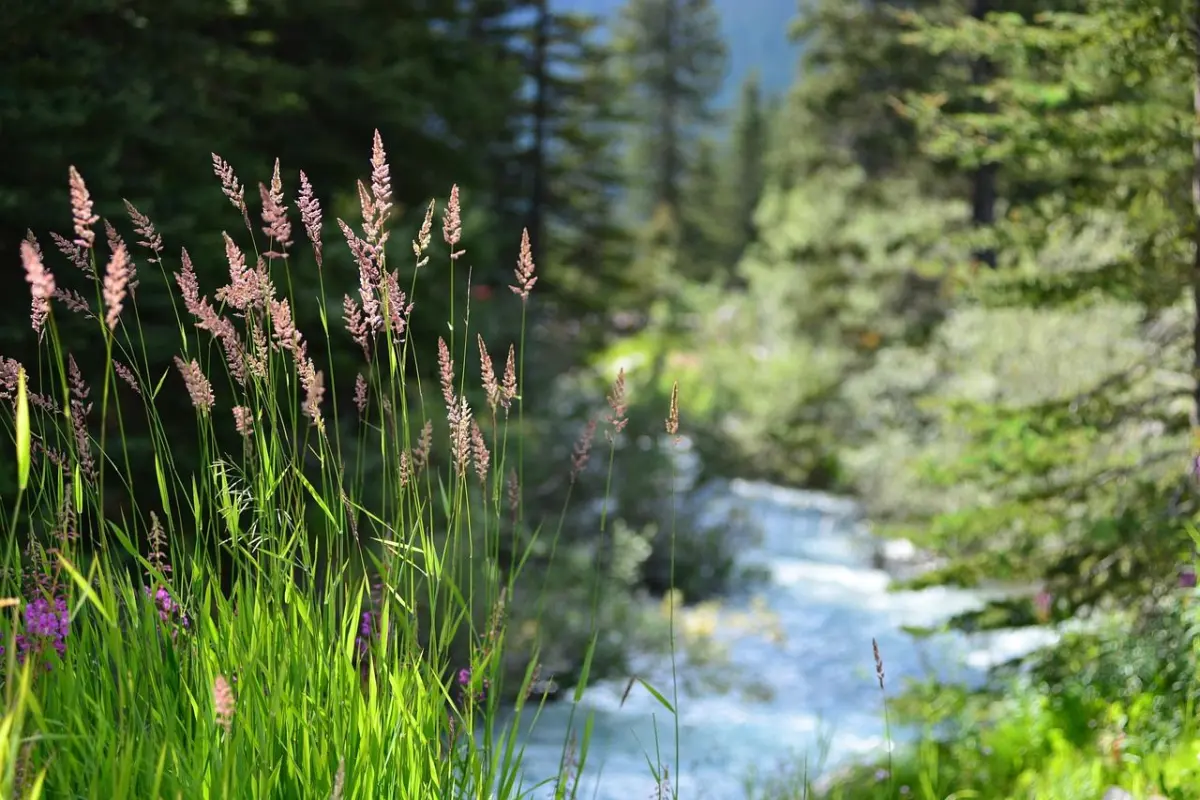
Wondering which bloom stands for your province? The provincial flowers of Canada run from Alberta’s wild rose to Yukon’s fireweed, and each province and territory has one. Here is the full list.
This guide is one part of our wider look at the flower industry in canada, written for florists, students and curious readers.
| Item | Value |
|---|---|
| Provinces and territories with a flower listed | 13 (10 provinces, 3 territories) |
| Alberta | Wild rose |
| British Columbia | Pacific dogwood |
| Ontario | White trillium |
| Yukon | Fireweed |
| Nunavut | Purple saxifrage |
The flowers come from the Wikipedia list of Canadian provincial and territorial symbols, and the background from The Canadian Encyclopedia. Emblems and their status can change, so check the source before you rely on these figures.
Every provincial and territorial flower, west to east
The table below follows the symbols list from the Pacific coast across the Prairies, through central and Atlantic Canada, and then up to the three territories.
| Province or territory | Flower |
|---|---|
| British Columbia | Pacific dogwood |
| Alberta | Wild rose |
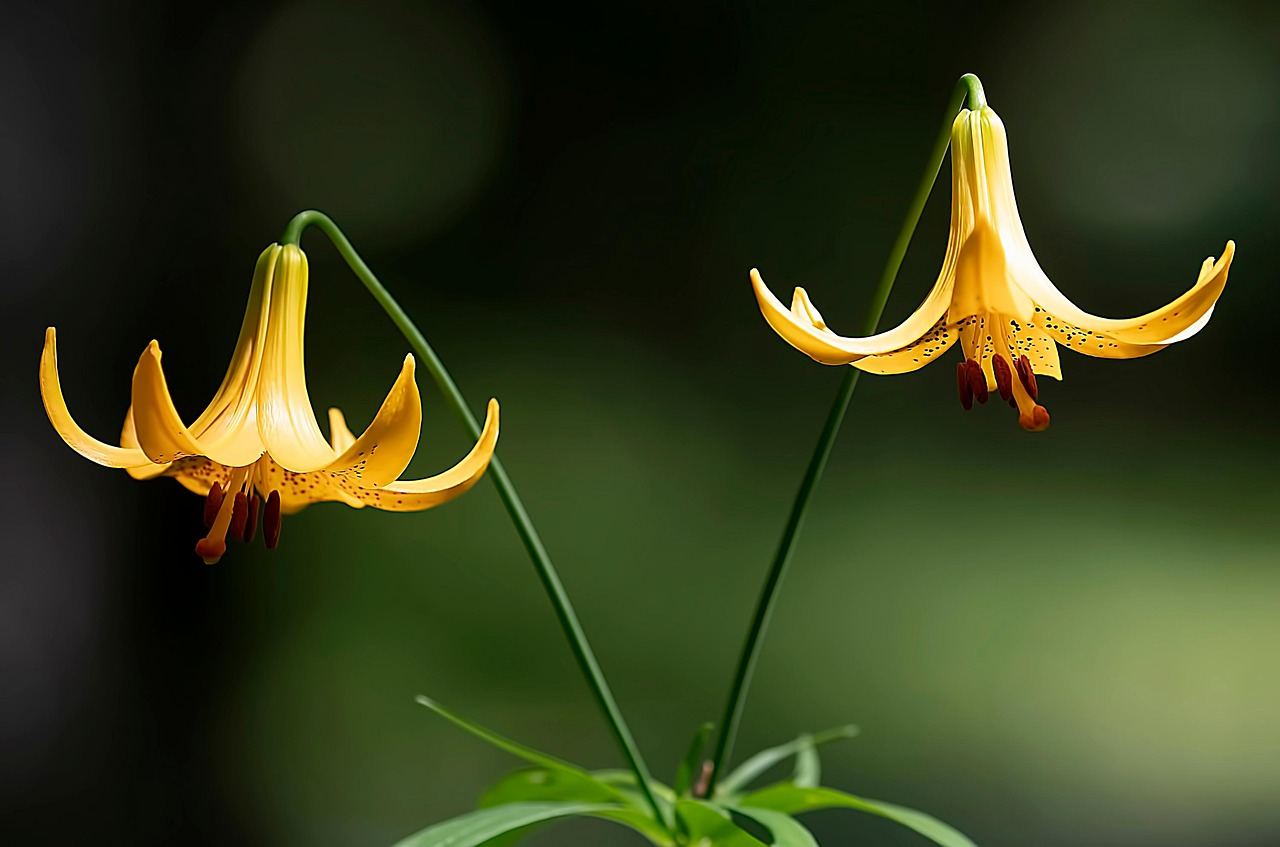
| Saskatchewan | Western red lily |
| Manitoba | Prairie crocus |
| Ontario | White trillium |
| Quebec | Blue flag iris |
| New Brunswick | Purple violet |
| Nova Scotia | Mayflower |
| Prince Edward Island | Lady’s slipper |
| Newfoundland and Labrador | Purple pitcher plant |
| Yukon | Fireweed |
| Northwest Territories | Mountain avens |
| Nunavut | Purple saxifrage |
The flower for each province and territory comes from the Wikipedia list of Canadian provincial and territorial symbols, which cites government pages, so check the source before you rely on it.
Purple turns up in the names of the emblems for New Brunswick, Newfoundland and Labrador, and Nunavut. Fireweed, mountain avens and purple saxifrage cover the north, so a regional display can still draw on a distinct palette.
Quebec’s list also carries a separate provincial symbol, the fleur-de-lis, alongside the blue flag iris.
How does a plant become a floral emblem?
According to The Canadian Encyclopedia’s entry on floral emblems (last edited May 29, 2015), emblems are generally chosen from the flora of the region they represent. Tradition dictates that the plant be popular and widely found there.
There are exceptions. For historical reasons, a non-indigenous plant may be chosen if it is linked to the founding nation, an industry or a particular landscape. The entry also notes that the whole plant or only the flower may be represented, and that only the latter is a true floral emblem.
Some countries have both a floral and a tree emblem, and the provincial lists later in this guide show the same pairing. If you want to read the original wording, it is in The Canadian Encyclopedia’s floral emblems entry.
Where the flowers appear: coats of arms and official status
Provincial flowers are not only garden plants. They sometimes appear in the heraldry itself. The Canadian Encyclopedia’s entry on provincial and territorial emblems (last edited March 4, 2015) says the wild rose is the official flower of Alberta.
British Columbia gives a clear example. The crest on its coat of arms is made unique by a garland of Pacific dogwood, the provincial flower, around the lion’s neck. The arms and motto were granted in 1906, and the crest was added in 1987.
Status varies from place to place. The Canadian Encyclopedia says some emblems are adopted officially or legally, while others are unofficially recognized by the people for historical, religious or other reasons. The list used here does not mark which flowers fall into which group, so check the relevant provincial or territorial government page if the legal status matters to you.
Trees, grasses and berries beside the flowers
Many provinces and territories list other plant emblems next to the flower. These pairings give you more regional material to work with:
- Ontario: white trillium, with the eastern white pine as its tree.
- Prince Edward Island: lady’s slipper, with the red oak.
- Quebec: blue flag iris, with the yellow birch.
- Yukon: fireweed, with the subalpine fir.
- Alberta: wild rose, plus rough fescue as its provincial grass.
- Manitoba: prairie crocus, plus big bluestem as its provincial grass.
- Saskatchewan: western red lily, plus needle-and-thread grass and the Saskatoon berry as its fruit emblem.
- Nova Scotia: mayflower, plus the wild blueberry as its berry.
Greenery and fruit can carry a regional story as well as a bloom can, which gives you more design options for a themed order.
Using the list in a flower business
For a florist, the list works best as a storytelling tool rather than a shopping list. A customer from Prince Edward Island may enjoy a design built around the lady’s slipper theme, even if the real plant never reaches your cooler. Colour, shape and a short note on the emblem can do the work.
Before you promise a customer a particular bloom, confirm that a grower or supplier can actually provide it. For stems that must come from abroad, see our guide to importing flowers into canada. For colder-season ideas, our notes on winter flowers canada are a useful next step.
Frequently asked questions
What is Ontario’s provincial flower?
Show answer
Ontario’s flower is the white trillium, according to the Wikipedia list of Canadian provincial and territorial symbols.
Does Quebec have a provincial flower?
Show answer
Yes. The same list gives the blue flag iris as Quebec’s flower and also names the fleur-de-lis as a provincial symbol.
Which territories have a flower emblem?
Show answer
All three territories are listed with one: fireweed for Yukon, mountain avens for the Northwest Territories and purple saxifrage for Nunavut.
Can a province choose a plant that is not native?
Show answer
Yes. The Canadian Encyclopedia says that for historical reasons a non-indigenous plant may be chosen, for example one linked to the founding nation, an industry or a landscape.