If you’re importing flowers into Canada, your stems must arrive free of soil, roots and quarantine pests. Check the CFIA’s AIRS database for your exact flower and origin before shipping, because the paperwork varies.
This guide covers one slice of the flower industry in canada: how cut stems cross the border and what inspectors look for.
| Item | Value |
|---|---|
| Main cut-flower import directive | D-14-03, original effective date March 3, 2016 |
| Customs (HS) codes covered | 06.03 (cut flowers) and 06.04 (foliage, branches, grasses, mosses) |
| Lead plant-health agency | CFIA, Canada’s national plant protection organization |
| Soil and roots on cut flowers | Not allowed: material must be free from soil and roots |
| Import record retention | Six years after the date of import |
The figures come from the CFIA directive D-14-03 and a customs broker’s import guide. They can change, so check the source before you rely on them.
Who regulates imported cut flowers in Canada?
The Canadian Food Inspection Agency (CFIA) is Canada’s national plant protection organization. It regulates plant imports under the Plant Protection Act and its regulations, as the CFIA’s importer primer explains.
Several other parties can be involved in a single shipment, according to a customs broker’s overview:
- Canada Border Services Agency (CBSA)
- The CFIA
- Environment and Climate Change Canada (ECCC)
- The National Plant Protection Organization (NPPO) of the exporting country
- A customs broker and the carrier
The reason for all this oversight is pest risk. The directive notes that wood-boring insects are of particular concern in woody material. It also warns that pests can reach the environment when material is composted or when ornamental arrangements are placed outdoors.
What the cut-flower directive requires
Directive D-14-03 sets the phytosanitary rules for fresh and dried branches, roots, cones, foliage, flowers, lichens and mosses for ornamental purposes. It applies to goods under HS codes 06.03 and 06.04, according to the CFIA’s directive text.
The general requirements apply to every covered product:
- Material must be free from soil, soil-related matter, growing media and quarantine pests.
- Cut flowers, foliage and branches must be free from roots.
- Growing on, planting or propagating the material is prohibited.
- Origin-specific requirements also apply when material is re-exported via a third country.
The directive says the CFIA may take action on material infested with pests of potential quarantine concern, even if those pests are not yet on the published regulated-pest list. A clean-looking box is therefore not the same as a compliant one.
Origin-specific rules exist too. A trade summary dated March 10, 2016 said the directive added a phytosanitary certificate requirement for fresh cut flowers from South Africa. It also allowed willow branches (lulav) in for a short period around the Jewish holiday of Sukkot.
Permits, certificates and checking AIRS
The CFIA’s primer says it is your responsibility as an importer to know the requirements for the product you bring in. Its Automated Import Reference System (AIRS) is a searchable database showing what applies to a given plant or plant product.
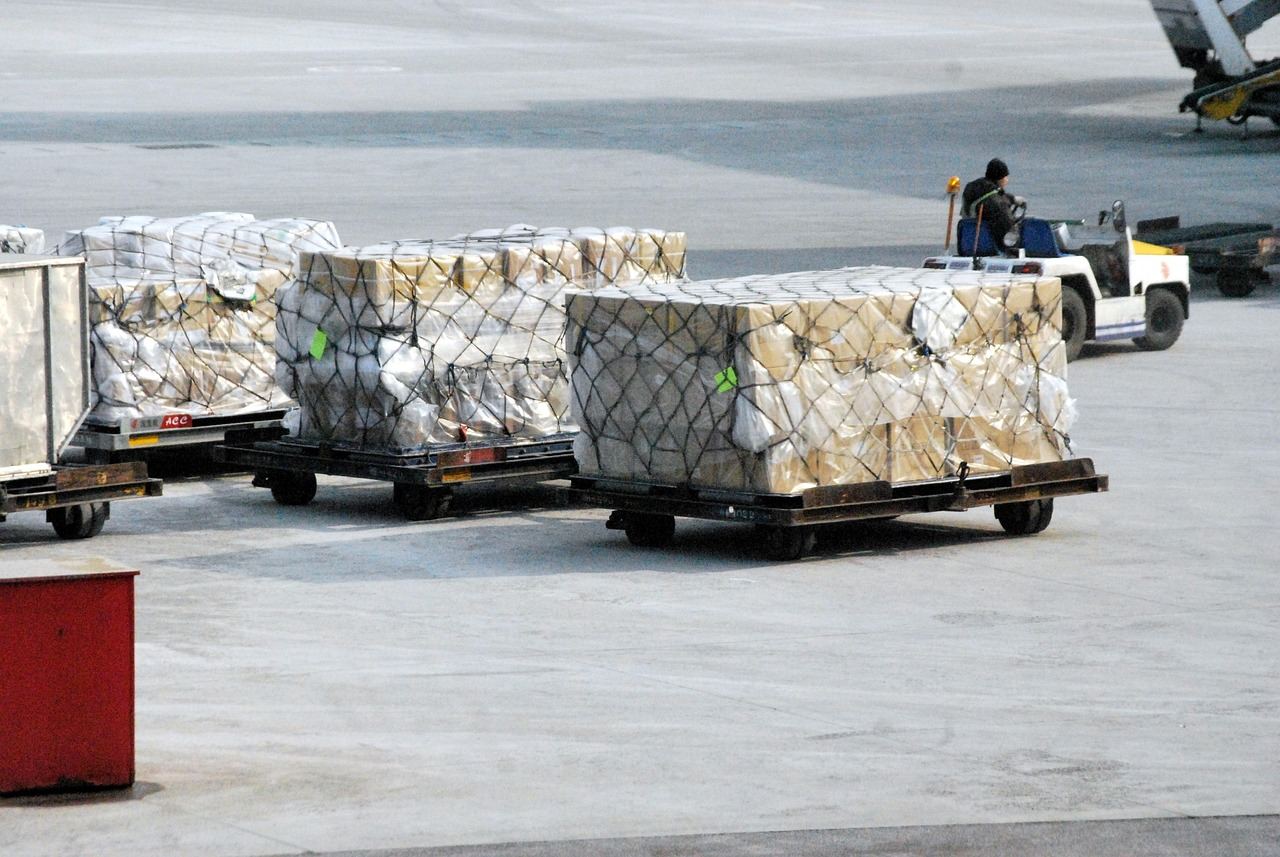
To get a useful AIRS answer, you need the species, its state (fresh, dried, dyed, plant in soil), the country where it was grown and the destination in Canada. That detail comes from the customs broker’s AIRS explanation.
Depending on the product, the CFIA’s primer says import documents may include:
- A phytosanitary certificate issued by the exporting country’s national plant protection organization, stating the product meets Canada’s requirements.
- An import permit issued by the CFIA, which sets the conditions of entry and use.
- A certificate of origin, where material may only come from pre-approved sources.
Permits under the Plant Protection Act can be requested through the CFIA’s online portal, My CFIA, per the same primer. When a product has never been imported before, or comes from a new origin, the CFIA conducts a pest risk assessment to decide whether control measures are needed.
The CFIA also charges fees under its Fees Notice, as stated in the directive. Its National Import Service Centre handles fee questions about imported product.
What happens if a shipment does not comply?
A product that fails the applicable import requirements is considered non-compliant. The CFIA’s primer lists the measures it can use:
- Ordering the shipment destroyed.
- Ordering it returned to its origin or otherwise removed from Canada.
- Ordering it treated in Canada.
- Imposing a fine in addition to those measures.
The primer adds that you pay all costs of bringing a shipment into compliance. If compliance is not achieved, the shipment may be forfeited to the Government of Canada and disposed of.
When a shipment fails despite certification abroad, the CFIA sends a Notification of Non-Compliance to the exporting country’s plant protection organization. That lets the exporter’s agency correct how it certifies future shipments.
The stakes are real. The same primer says the emerald ash borer has killed millions of ash trees across North America since it arrived in 2004, and that it probably entered on untreated wood packaging.
Customs, duties and records for importers
Plant health is only half the process. A customs broker’s guide explains that the importer of record is responsible for the accuracy of the import declaration and for paying duties and taxes.
The rate of duty depends on the tariff of the commodity, the value of the goods and their origin. The same guide notes that bouquets follow special rules when different flower types are combined, so classification deserves care.
You must keep import records for six years after the import date, and customs can audit them at any point in that period. Other rules can apply as well: some species fall under the Convention on International Trade of Endangered Species, administered by ECCC.
The CFIA’s plant import page also warns that other federal departments, including CBSA and Health Canada, may have requirements. Provincial governments may add their own.
Freshness matters commercially too. The customs broker notes that many cut flowers and plants require temperature-controlled transport by ground or air, so check AIRS for those conditions.
Related cases that follow different rules
Not everything floral falls under D-14-03. Fresh Christmas trees are covered by directive D-02-12, and material intended for propagation falls under directive D-08-04, according to the CFIA’s scope section.
D-08-04 is the general directive for plants and plant parts for planting, and it has its own permit and certificate requirements, as the CFIA’s directive page shows. If you plan to sell potted plants or bulbs rather than cut stems, start there.
To see how imports fit into Canadian floristry over time, read the history of floristry in canada. For flowers grown and honoured at home, browse the provincial flowers of canada.
This site is independent and educational. It is not affiliated with the CFIA or CBSA, and it cannot advise on a specific shipment.
Frequently asked questions
Can cut flowers arrive with soil or roots?
Show answer
No. Directive D-14-03 says cut flowers, foliage and branches must be free from roots, and all material must be free from soil, growing media and quarantine pests.
Where do I find the rules for my flower?
Show answer
Use the CFIA’s Automated Import Reference System (AIRS). Have the species, its state, the country of origin and the Canadian destination ready.
Who issues a phytosanitary certificate?
Show answer
The national plant protection organization of the exporting country issues it, per the customs broker’s guide. It certifies that the goods were inspected and meet Canada’s requirements.
Do the cut-flower rules cover plants for growing?
Show answer
No. Growing on, planting or propagating material covered by D-14-03 is prohibited, and propagation material is handled under directive D-08-04.