Watching unsold blooms and trimmings go in the bin hurts. If you’re wondering how to reduce floral waste, start by buying less, selling or donating leftovers, and composting what remains.
Planning a shop from scratch? Our guide on how to start a flower shop puts waste planning in the wider picture.
| Item | Value |
|---|---|
| Monthly green-waste pickup at one Kansas shop | Around $80 each month |
| Organic waste composted over five years at that shop | 10 tons became 6,500 pounds of finished compost |
| Florists surveyed who see barriers to sustainability | 46% of 453 respondents |
| Consumers willing to pay 10% or more for sustainable practices | About 50% of those surveyed |
These figures come from Greenhouse Grower’s July 2025 report and the Society of American Florists’ November 2024 article. Figures can change, so check the sources before you rely on them.
How to reduce floral waste before it reaches the bench
The cheapest waste to handle is the waste you never create. Betsy Gardner of The Plant Shoppe Florist in Gainesville, Florida, describes her green waste philosophy as starting with creating as little waste as possible in the first place, according to Greenhouse Grower.
Her habits are small and repeatable:
- Plastic and cardboard wrappers are recycled when flowers arrive.
- Rubber bands from flower bundles are donated to area organizations.
- Boxes go back to suppliers.
- Straws from Gerber daisies are donated to schools.
Ordering is the other half. Vancouver’s Kamila Alikhani saw a shop fill its space with blooms that would not all get purchased, so she built Bloomiér as a subscription-driven private studio to avoid excess organic waste, as Montecristo magazine reported. Few retail shops can copy that model exactly, but you can borrow the idea of matching stock to real demand.
Tracking what sells and what lands in the bin is the core of flower shop inventory management, and it shows you which stems to order less of.
Seasonal buying helps too. Alyssa Sager of Leis de Buds sources local field-grown flowers whenever possible, and saying no to overseas wholesalers and to customers who want exotic or out-of-season blooms is part of her approach. She treats those requests as a chance to explain why she works differently, without shaming anyone.
Cut plastic, foam and single-use packaging
Traditional floristry has a plastic problem, with an estimated 100,000 tons of plastic waste produced every year, according to Montecristo. The material that worries sustainable florists most is floral foam. Becky Feasby, Canadian ambassador for the Sustainable Floristry Network, says that if there’s one thing you could do to be more sustainable, it would be to get rid of floral foam completely.
Canadian florists show what is possible, and what is not. Chelsea Leach of Studio Full Bloom says the studio generally uses moss instead of foam but admits that sometimes foam is unavoidable. Sager has sourced a fully degradable alternative to foam and wraps arrangements in 100 per cent recycled paper.
Older methods still work. The Society of American Florists notes that wrapping bouquets with paper or hand-tying them with raffia ribbon are pre-plastic methods. It also points out that many recycling centers only accept food-safe glass, so glass vases usually end up in the landfill.
Practical swaps to try:
- Paper wraps and raffia in place of cellophane sleeves.
- Moss or another foam alternative for supporting stems.
- A vase reuse program, which reduces your need to purchase more vases.
- A request to your wholesaler for more sustainable products; if they know you want them, they may expand their catalog.
Give unsold flowers a second life
Drying is the easiest way to keep stems out of the bin. Joseph Langlois of Bangor Floral in Maine says his shop dries everything. Dried rose petals make a great organic toss for weddings, and dried flowers and leaves make great scatter for tabletops, per the SAF article.
Donation is the second route. When Alikhani has leftover bouquets from an event or photo shoot, she donates them to seniors homes and hospices.
There is also a Canadian precedent at larger scale. According to its Wikipedia entry, the Canadian Flowers for Food Society started in 2005 in Vancouver and collects floral discards from major growers and distributors in the Vancouver area. It delivers them to charitable programs, services and homeless persons, who market them streetside for donations.
How can you compost what’s left?
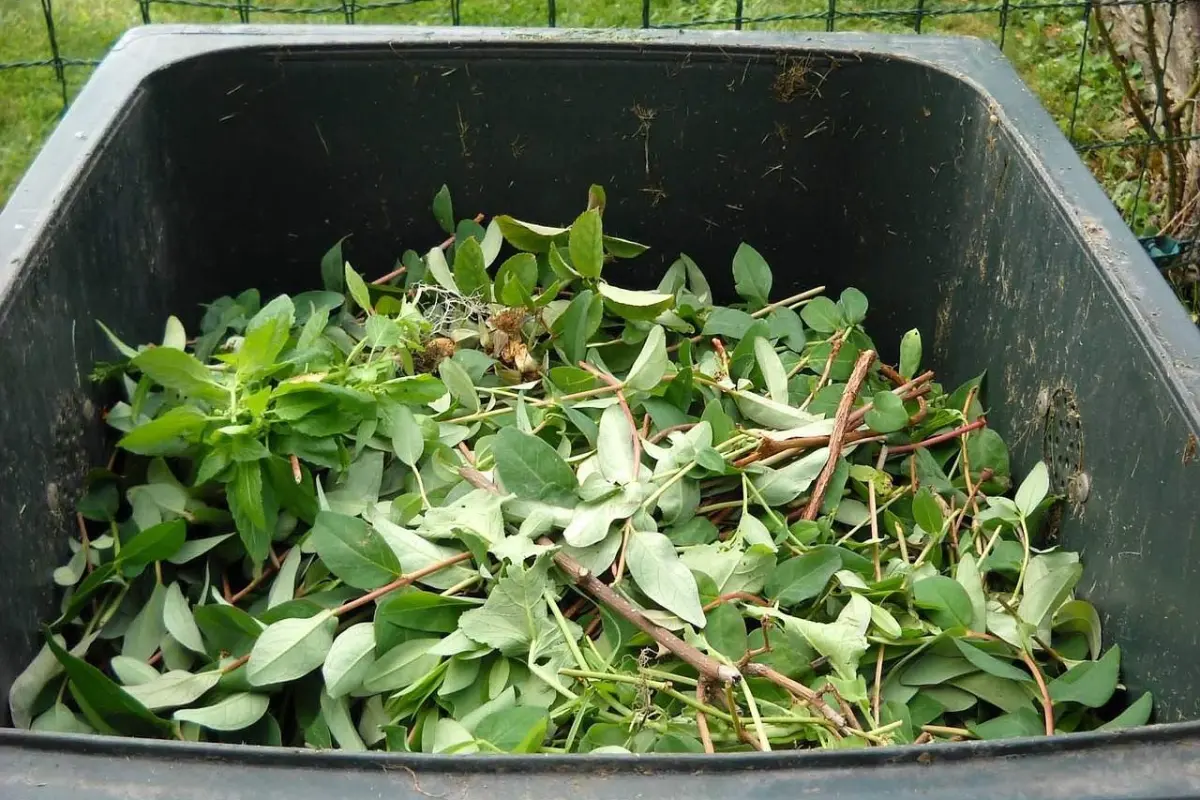
Composting programs can be hard for a small shop because of space, cost, time and odor, as Greenhouse Grower notes. Vanessa O’Brien of Bloom Wichita, Kansas, works with a local composting company that collects stems and plant materials weekly. Over five years, 10 tons of her shop’s organic waste became 6,500 pounds of finished compost, and she pays around $80 each month.
Her setup is simple. Each design table has two bins, one for trash and the other for green waste. The green waste moves daily into two lidded trash cans in the garage area, where it is picked up weekly. She adds that shops composting their green waste can see savings through smaller trash dumpsters because there is so little to throw away.
Rules on what goes into municipal bins differ by city. The City of Calgary’s What Goes Where guide says flowers go into the green cart, but if they are part of a floral arrangement you should first remove plastic bags, water vials, elastics, pins, baskets and tags. That guide is written for residents, so check with your own municipality about commercial pickup.
If your area has no composting service, the SAF article suggests these options:
- Reach out to local garden clubs or Master Gardeners and schedule a regular pickup.
- Partner with a local flower farmer who can collect your compostable waste when they drop off your regular order.
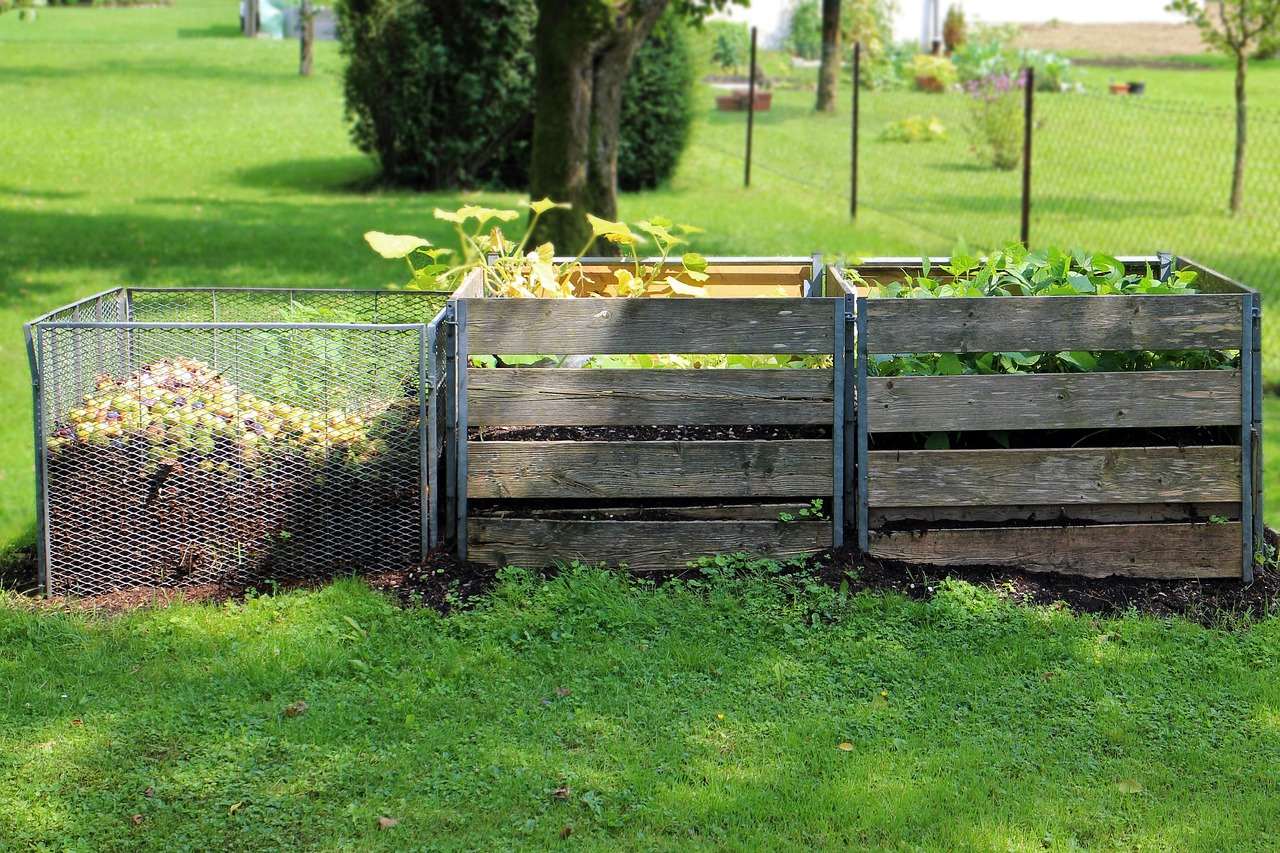
- Do what Gardner does and take a daily bin of stems, flowers and lunch scraps to your own compost pile.
Vancouver’s Flowers for Food also runs a composting project designed to divert organic floral waste from Greater Vancouver Regional District landfills, showing that diversion can work at community scale.
Costs, customers and common barriers
Money is the most common worry. A survey facilitated by the Floral Marketing Fund, with 453 respondents, found that 46% of florists see barriers to sustainability, such as high costs, lack of sustainable alternatives (18%) and limited access to eco-friendly products (16%), per SAF. Langlois says higher costs for sustainable products are built into Bangor Floral’s pricing and that customers are willing to pay a little more.
A separate consumer survey cited in the same article found that about 50% of those surveyed would pay 10% or more if the florist uses sustainable practices. Treat that as a signal, not a guarantee, and test it with your own customers.
Put hauling fees, reusable vases and alternative materials into your flower shop business plan from the start, so they are budgeted costs rather than surprises.
A simple order of attack:
- Track what you throw away and what goes unsold.
- Swap out foam and cellophane where a workable alternative exists.
- Put a green-waste bin at every design table.
- Find a composting, drying or donation partner.
- Price the extra costs in and tell customers what you are doing.
Learning is part of it. James DelPrince, a Mississippi State University Extension Service researcher, advises building sustainability knowledge gradually, for yourself and your employees.
Frequently asked questions
Is composting floral waste expensive?
Show answer
It depends on where you are. One Kansas florist reported paying around $80 each month for weekly pickup, according to Greenhouse Grower, and says smaller dumpsters can offset some of that.
What if my city has no composting service?
Show answer
Look for a partner. The Society of American Florists suggests local garden clubs, Master Gardeners or a flower farmer who can pick up your waste with your regular order.
Can I compost a whole arrangement?
Show answer
Not as it comes. Calgary’s What Goes Where guide says to remove plastic bags, water vials, elastics, pins, baskets and tags before flowers go into the green cart.
Do I have to give up floral foam completely?
Show answer
Sustainability advocates urge it, but the Canadian shops profiled by Montecristo are candid that it is not always possible. Studio Full Bloom generally uses moss instead and treats foam as an occasional exception rather than a staple, as Montecristo reported.
Will customers pay more for sustainable flowers?
Show answer
Some will. About 50% of consumers surveyed said they would pay 10% or more for sustainable practices, according to the SAF article from November 2024.